
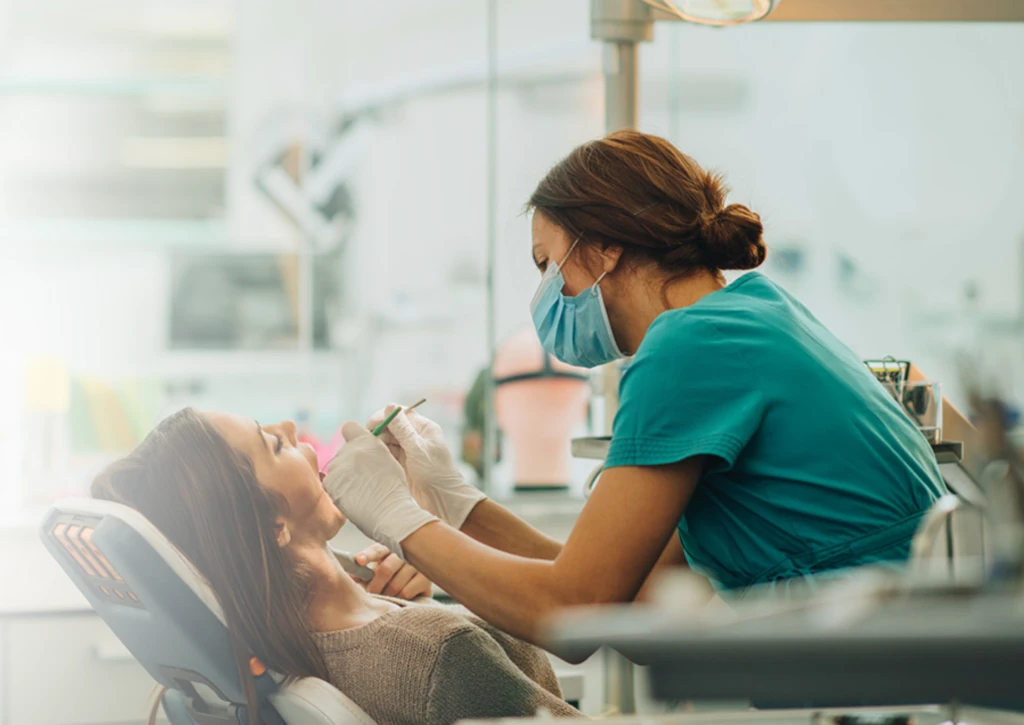
Most people don’t know this, but a second dental opinion is often the difference between “I hope this works” and “I understand the plan, the tradeoffs, and the long-term outcome.” When the decision is high-stakes, you deserve clarity.
This guide is for patients considering major dental work like implants, orthodontics, oral surgery, or full mouth reconstruction. We’ll walk through when a dental second opinion makes sense, what to bring, what to ask, and how to compare treatment plans so you can make informed dental decisions without feeling rushed.
Why a second dental opinion can be a wise move
It’s not distrust, it’s stewardship
High-impact dental decisions can affect your comfort, bite, bone health, and appearance for decades. Getting another set of trained eyes is not “being difficult.” It’s acting like a good steward of your health and your budget.
We talk to people every day who say, “I’m not sure if this plan is right, but I also don’t want to offend anyone.” You can respect your current dentist and still ask for a second perspective. Good clinicians understand that.
High-stakes dentistry is a long-term plan, not a quick purchase
Think of your mouth like a home. If a contractor tells you the foundation needs work, you don’t just compare price. You compare the diagnosis, the plan, the materials, the sequencing, and the warranty of the work. Dentistry is similar. The right plan protects everything built on top of it.
When getting a second dental opinion makes sense
A second opinion is most helpful when the decision is expensive, irreversible, or involves multiple steps. Here are common moments where a second opinion dentist can bring clarity.
You were quoted major dental work
If your treatment plan includes any of the following, a second opinion is reasonable:
- Multiple crowns, bridges, or extractions
- One or more dental implants
- Orthodontics paired with restorative work
- Gum surgery, bone grafting, or sinus lift
- Full mouth reconstruction or bite changes
The plan feels rushed, salesy, or unclear
If you left the appointment thinking, “I still don’t understand what’s wrong,” that’s a signal to slow down. A good plan should be explainable in plain language.
You were given only one option
Often there are multiple dental treatment options with different tradeoffs. One option might be faster, another more conservative, and another more durable. If you were presented with only a single path forward, a second opinion can help you see the full map.
You have complex medical history or dental anxiety
Sleep apnea, diabetes, autoimmune conditions, blood thinners, TMJ symptoms, or severe anxiety can change the safest approach. A second opinion is a way to confirm that the plan fits you, not just your X-ray.
The financial plan or insurance estimate feels confusing
Confusion around billing is one of the biggest reasons people delay care. If costs, insurance coverage, or sequencing are unclear, ask for another consultation focused on transparency and planning, not pressure.
Common treatments where a second opinion helps most
Dental implant second opinion
Implants can be life-changing when they’re planned well. They can also become expensive redo work when they’re rushed.
A dental implant second opinion is especially valuable if you were told you need bone grafting, multiple implants, or immediate placement after extraction. The details matter: bone quality, bite forces, gum health, and whether the final crown will be easy to clean and maintain.
Orthodontic second opinion (braces or Invisalign)
Orthodontics is not just about straight teeth. It’s about bite function, airway considerations, long-term stability, and sometimes protecting enamel and gums.
An orthodontic second opinion can help if your child was quoted a long treatment time, if extractions were recommended, if you’re deciding between braces and Invisalign, or if you’re unsure whether to address bite issues now or later.
Oral surgery second opinion (wisdom teeth, extractions)
Extractions and wisdom tooth removal can be appropriate, but they should be justified clearly. If you’re asking, “Do these really need to come out?” a second opinion can confirm whether the risk is real or just theoretical, and what the alternatives are.
Full mouth reconstruction or bite rehabilitation
This is one of the most complex areas in dentistry. When a plan involves changing how you bite, rebuilding multiple teeth, or restoring a worn-down smile, planning and sequencing are everything.
A second opinion can validate the diagnosis (why the teeth are breaking down) and confirm whether the plan is designed for longevity, not just a short-term fix.
What to bring to a second opinion dental treatment consultation
Records and images to request
You can save time and money by bringing records from your first office. Ask for copies of:
- Recent full-mouth X-rays or panoramic X-ray
- Any 3D CBCT scan images, if taken
- Intraoral photos and periodontal charting
- Written treatment plan with procedure codes
- Insurance estimate and financial breakdown
Some offices will send these directly to the second office with your written permission.
Your goals, timeline, and non-negotiables
A good plan starts with your priorities. Write down what matters most to you, such as:
- Keeping natural teeth whenever possible
- Reducing appointments and time off work
- Minimizing pain and anxiety triggers
- Staying within a clear budget range
Your questions in writing
When you’re in the chair, it’s easy to forget. Bring a list. A second opinion is only as helpful as the clarity you walk out with.
What to ask a second opinion dentist (copy-and-paste checklist)
Use these questions in any dental treatment consultation, especially when the decision is large.
Diagnosis and root cause
- What is the exact diagnosis, in plain language?
- What do you see on the X-rays or scans that supports it?
- What is the root cause, and how do we prevent this from repeating?
Options and tradeoffs
- What are all reasonable options for my situation?
- What are the pros, cons, and expected lifespan of each option?
- Which option is most conservative, and which is most durable?
Longevity and risk
- What are the biggest risks or complications, and how do we reduce them?
- If this fails, what does a redo look like and what might it cost?
- How will this affect surrounding teeth, gums, and bone over time?
Technology and planning
- Do I need 3D imaging for this, and why?
- How do you plan the case before you start treatment?
- How do you check the bite and long-term stability?
Timeline and comfort
- What is the step-by-step sequence and time estimate?
- What will discomfort look like, and how will pain be managed?
- What should I expect for healing time and follow-up visits?
Cost, insurance, and financing
- Can you explain the total cost, the phases, and what’s optional versus necessary?
- What assumptions are being made about insurance coverage?
- What payment plan options are available for larger cases?
How to compare two dental treatment plans without getting overwhelmed
Two plans can look different on paper and still be aiming at the same goal. Here’s a clean way to compare.
Compare the diagnosis first
If the diagnosis doesn’t match, ask why. One dentist might be treating symptoms while another is addressing the underlying driver like bite forces, grinding, gum disease, or airway-related crowding.
Compare the end goal, not just the procedure list
Ask each office to describe the finish line. Are you trying to stop fractures? Stabilize gum health? Replace missing teeth for chewing? Improve aesthetics while protecting function? The procedures should serve the goal, not the other way around.
Compare risk management and sequencing
Great dentistry is often about order of operations. Examples:
- Gum health stabilized before major restorative work
- Orthodontics coordinated before veneers or crowns
- Implant placement planned around bite forces and hygiene access
Compare transparency and follow-through
Pay attention to how you feel leaving the visit. You should understand the why, the options, and the costs. You should not feel rushed, shamed, or pressured into a quick yes.
Red flags that should slow you down
Not every disagreement between dentists means someone is wrong. Dentistry involves judgment. Still, these are worth noticing:
- Pressure-based language like “decide today”
- No meaningful discussion of alternatives
- Vague answers about risk and longevity
- Pricing that shifts without clear explanation
- Plans that ignore comfort, anxiety, or medical complexity
What patients in Layton, Utah can expect from a second opinion at Summit Dental & Orthodontics
If you’re looking for a dentist in Layton Utah for a second opinion, our goal is simple: no pressure, just clarity.
One roof, one plan, one coordinated team
Many patients are tired of being bounced between offices with no one coordinating the strategy. Summit provides comprehensive care under one roof, including general dentistry, orthodontics, implants, and surgical care, so the plan stays connected.
Advanced diagnostics to protect outcomes
When appropriate, we use advanced diagnostics and planning, including 3D scanning, to reduce guesswork. That matters most in implants, complex restorative work, and cases where anatomy and bite forces change the risk profile.
No pressure, just the truth
Our mindset is long-term partnership. We’ll explain what we see, what it means, and what your options are. If you’re not ready today, that’s fine. The goal is that you walk out feeling calm, informed, and confident in your next step.
How to schedule a second opinion in Layton
Who it’s for
A second opinion visit is a fit when you’re deciding on implants, orthodontics, oral surgery, or any plan that feels expensive, unclear, or irreversible.
What happens at the visit
We review your concerns, evaluate existing records, and take any necessary images. Then we walk through:
- What we believe is happening clinically
- Multiple treatment options and tradeoffs
- A recommended sequence for long-term stability
How to prepare
Bring your treatment plan, any imaging you have, and your top three questions. If you want help requesting records from your current office, our team can guide you.
Next step: If you’re weighing a major decision and want a steady, advisor-led second perspective, schedule a second dental opinion with Summit Dental & Orthodontics in Layton. No pressure, just clarity.